Sunglasses Guides
Oval Sunglasses and Square Sunglasses: How to Match Sunglasses to Face Shape


A pair of sunglasses can soften your features, sharpen your outline, or make a simple outfit feel perfectly finished. Oval sunglasses and square sunglasses create very different effects because the frame's shape changes how it balances your face. Finding the right pair is not only about trends or colors. It comes down to understanding face shape, frame size, lens height, and the style you want to project every day.
Why Sunglasses Shape Matters for Face Balance
Common face shapes include round, square, oval, heart, diamond, and long. Sunglasses shape matters deeply because a frame sits directly across the widest and most visible part of your face.
Small design changes can make a massive difference. A rounded frame can instantly soften strong angles, while a square frame can add sharp structure to soft curves. A taller frame can perfectly balance a longer face, and a wider frame can make the cheek area feel more proportional.
Sunglasses are also different from regular eyeglasses because they typically cover more of the face. This means the frame shape affects not only the eyes but also the cheeks, brows, and overall facial balance.
A high-quality pair of sunglasses should successfully do three things:
Match your face width.
Balance your natural face lines.
Feel comfortable for extended outdoor wear.
Frame shape also significantly dictates your style mood. Oval sunglasses generally feel soft, classic, and relaxed. Square sunglasses usually feel sharp, modern, and bold. Neither shape is inherently better; the right choice simply depends on what your face naturally needs and the aesthetic you enjoy wearing.
Oval Sunglasses for Angular and Stronger Face Lines
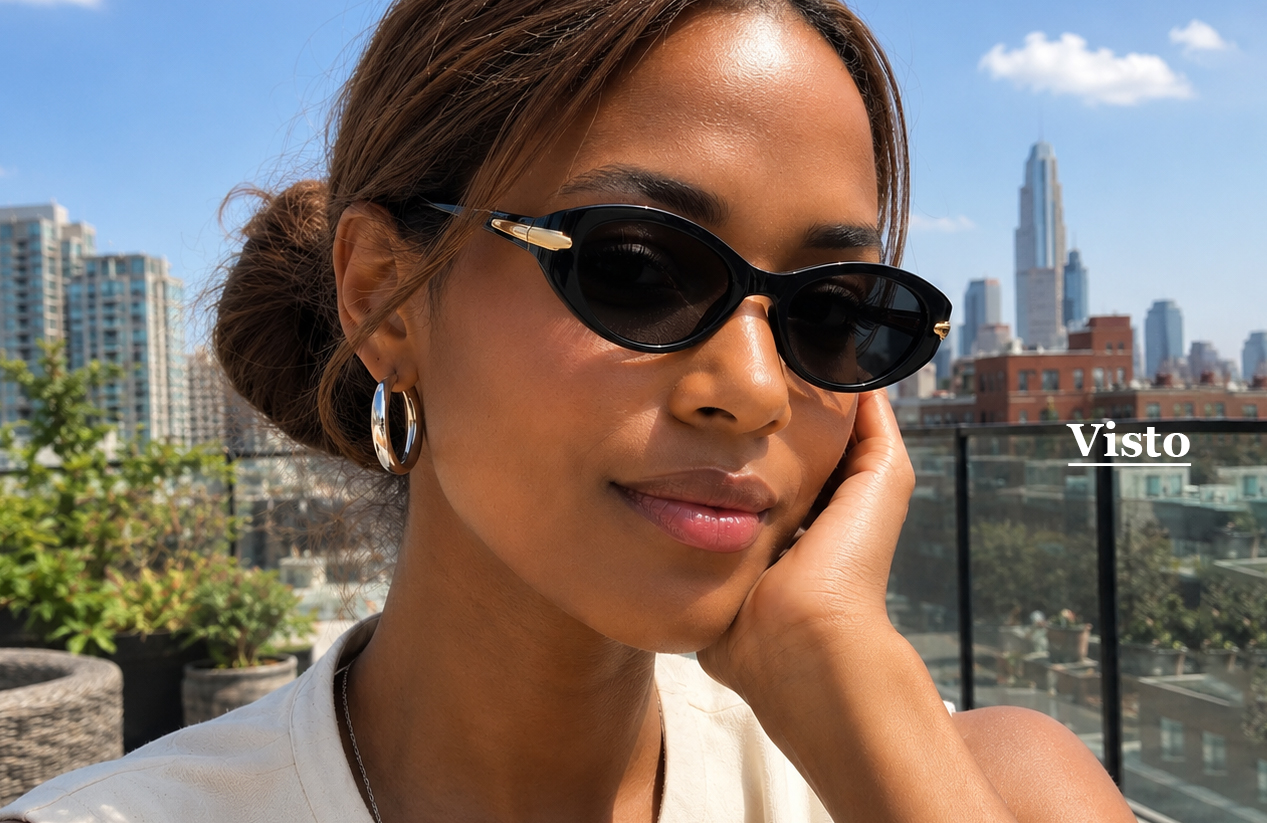
Oval sunglasses feature softly rounded edges and a gentle outline. The shape is usually wider than it is tall, completely avoiding sharp, severe corners. This design makes oval frames incredibly useful for balancing faces with stronger, sharper angles.
Square faces often pair perfectly with oval sunglasses. A square face usually has a well-defined jawline, a broad forehead, and straighter side lines. Oval sunglasses help soften these features naturally without removing your face's underlying structure.
Diamond faces also work beautifully with oval sunglasses. A diamond face typically has wider cheekbones combined with a narrower forehead and chin. Oval frames seamlessly soften the cheek area and create a much smoother visual flow.
Long faces can heavily benefit from oval sunglasses that offer enough vertical depth. Lens height refers to the vertical measurement of the lens. A slightly taller oval frame helps balance overall face length while still looking gentle and completely natural.
Oval styles are incredibly popular for women's sunglasses because the shape feels so versatile. They look polished with formal work outfits, relaxed with casual travel clothing, and beautifully elegant with summer dresses.
Oval sunglasses effectively create these visual effects:
They effortlessly soften strong jawlines.
They make angular facial features feel much more balanced.
They project a calm, classic, and approachable style mood.
They look visually lighter than sharp, geometric frame shapes.
They pair easily with both casual everyday wear and dressy outfits.
Frame thickness changes the end result, too. Thin oval sunglasses feel subtle and highly refined, whereas thicker oval frames feel more fashion-forward and expressive. Tinted lenses can make oval sunglasses feel even softer, while stark, dark lenses make them look much more dramatic.
Square Sunglasses for Round and Soft Face Shapes
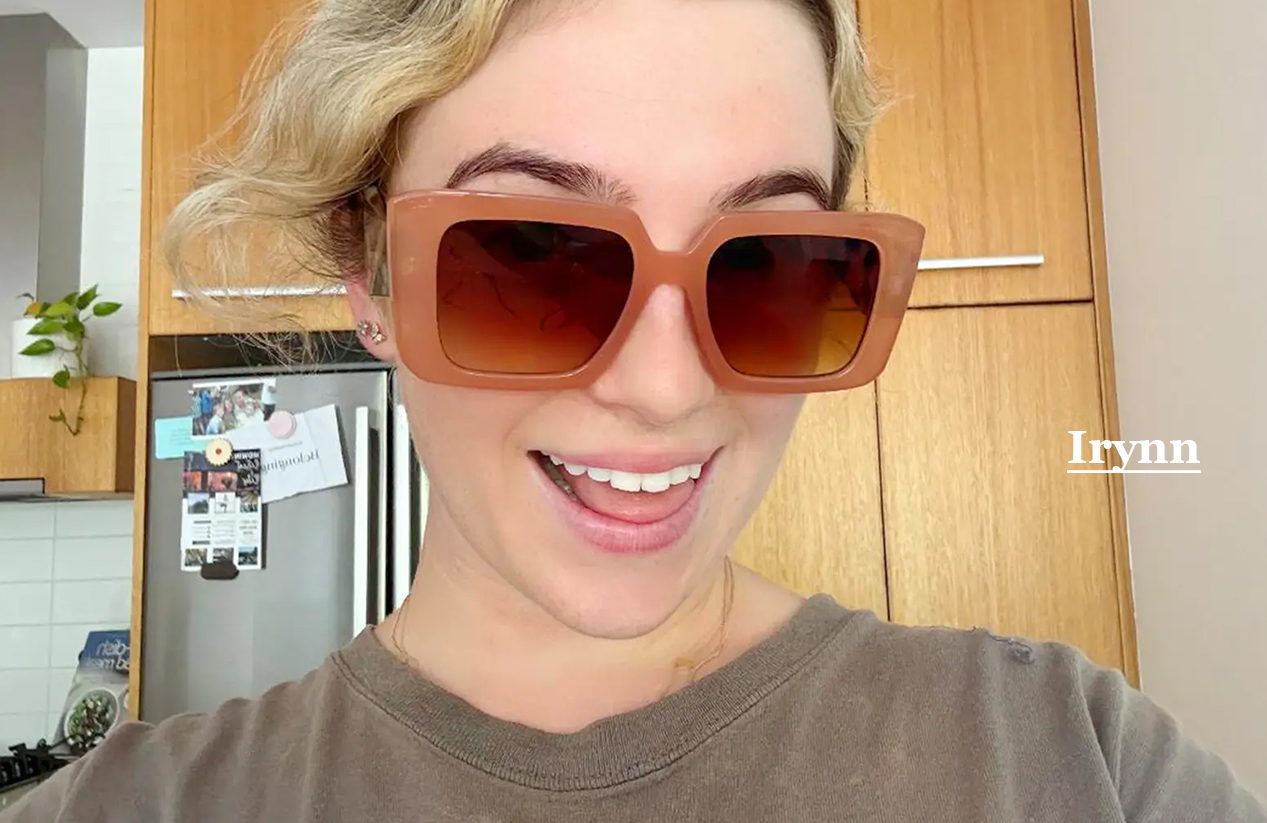
Square sunglasses boast straighter lines, defined corners, and a highly structured shape. They can range from softly square to strongly angular, entirely depending on the frame's specific design.
Round faces almost always pair beautifully with square sunglasses. A round face typically features softer curves, fuller cheeks, and a similar face width and length. Square sunglasses instantly add necessary definition, making the face look notably more structured.
Oval faces can also wear square sunglasses remarkably well. Since oval faces are naturally balanced, square frames introduce a bold style effect without overwhelming the face—especially when the frame width perfectly matches the face width.
Heart-shaped faces often look great in square sunglasses featuring softer lower edges. A heart-shaped face usually presents a wider forehead paired with a narrower chin. A well-balanced square frame adds lower-face structure without making the upper face feel disproportionately heavy.
Square sunglasses are particularly useful when you want a stronger, more assertive outdoor look. They effortlessly convey confidence, cleanliness, and modernity. In the realm of women's sunglasses, square frames create a stylish, striking contrast when paired with soft clothing, natural makeup, or wavy hairstyles.
Square sunglasses effectively create these visual effects:
They add rigid structure to softer facial lines.
They make round faces look significantly more defined and contoured.
They create a bold, modern, and highly confident style.
They can instantly make simple, plain outfits feel more polished.
They work flawlessly with both casual weekend and sophisticated city looks.
Keep in mind that a square frame does not have to look severe. Features like rounded corners, transparent acetate colors, lighter gradient lenses, or thinner rims can easily make square sunglasses feel softer and much easier to wear daily.
How Frame Size Changes the Look of Sunglasses
While frame shape is vital, size ultimately dictates whether that shape looks correctly balanced on you. A stunning pair of oval or square sunglasses may look entirely different once the frame width, lens height, and bridge fit come into play.
Frame width refers to the absolute full width across the front of the sunglasses. Bridge fit describes how the middle part of the frame securely sits across your nose. Temple length measures the length of the side arms extending backwards to rest behind your ears.
The table below breaks down how specific size details directly affect the look and feel of your sunglasses.
Size Detail | What It Means | Why It Matters |
|---|---|---|
Frame Width | Full horizontal width across the front | Ensures the sunglasses seamlessly match your natural face width |
Lens Height | Total vertical height of each individual lens | Changes exactly how much of your face the frame covers |
Bridge Fit | How the frame rests comfortably on the nose | Keeps the sunglasses stable, aligned, and comfortable all day |
Temple Length | Total length of the side arms | Affects how securely the sunglasses rest behind your ears |
Frame Thickness | How bold or slim the rim physically looks | Drastically changes the visual weight and statement of the frame |
All these details must work together seamlessly. A perfectly balanced square frame will look bold and polished, while a properly sized oval frame will feel exceptionally soft and elegant.
If you are shopping online, simply compare the detailed sunglasses measurements with a well-fitting pair you already own. If the new frame width, bridge fit, and lens height closely match your current pair, the new sunglasses will be much easier to judge. A truly great fit should sit comfortably on the nose bridge, rest naturally behind the ears, and stay entirely stable when you look down or move.
How to Choose Sunglasses for Daily Style and Face Shape
The ultimate pair of sunglasses should seamlessly compliment both your face shape and your daily lifestyle routine. A pair that looks stunning in photos must also feel genuinely comfortable to wear outside, while driving, on vacation, or when running quick errands.
Begin by analyzing your face shape. If your face features stronger angles, oval sunglasses will beautifully add softness. If your face has softer, rounder curves, square sunglasses will provide excellent definition. If your face is naturally well-balanced, both shapes are likely to work well, meaning your personal style preference becomes the most important deciding factor.
Next, consider your wardrobe. Oval sunglasses typically pair best with soft, classic, romantic, or minimalist outfits. Conversely, square sunglasses naturally complement modern, sharp, sporty, or heavily bold fashion looks.
Your choice of lens color significantly alters the style, too. Lens tint refers to the specific color applied to the lenses. Gray lenses almost always feel neutral and highly natural. Brown or amber lenses add a distinct, vintage-inspired warmth. Green lenses feel incredibly balanced and timelessly classic. Gradient lenses—which are dark at the top and gradually lighter toward the bottom—create a softer, highly fashionable aesthetic.
For women's sunglasses specifically, frame shape can also support and elevate makeup and hair styling. Oval sunglasses gracefully soften prominent brows or highly angular hairstyles. Square sunglasses add necessary contrast to long loose waves, soft minimalist makeup, or naturally rounded facial features.
Follow this quick decision path for easy shopping:
Pick oval sunglasses if you want a noticeably softer look.
Pick square sunglasses if you actively want more facial definition.
Pick thinner frames for a lightweight, barely-there visual effect.
Pick thicker frames for a dominant, stronger fashion statement.
Pick wider frames when you require maximum sun coverage.
Pick balanced frame sizes to ensure absolute everyday comfort.
Never forget that outdoor utility matters. If you plan to wear your sunglasses daily, long-term comfort must take priority over fleeting trends. Look specifically for a frame that stays firmly in place, feels well-balanced, and handles your local daily light conditions perfectly.
Ultimately, sunglasses are a highly functional yet deeply personal accessory. The right pair protects your vision and ensures total comfort in bright conditions while simultaneously making your face and outfit feel effortlessly complete.
Find Sunglasses That Fit Your Face and Style
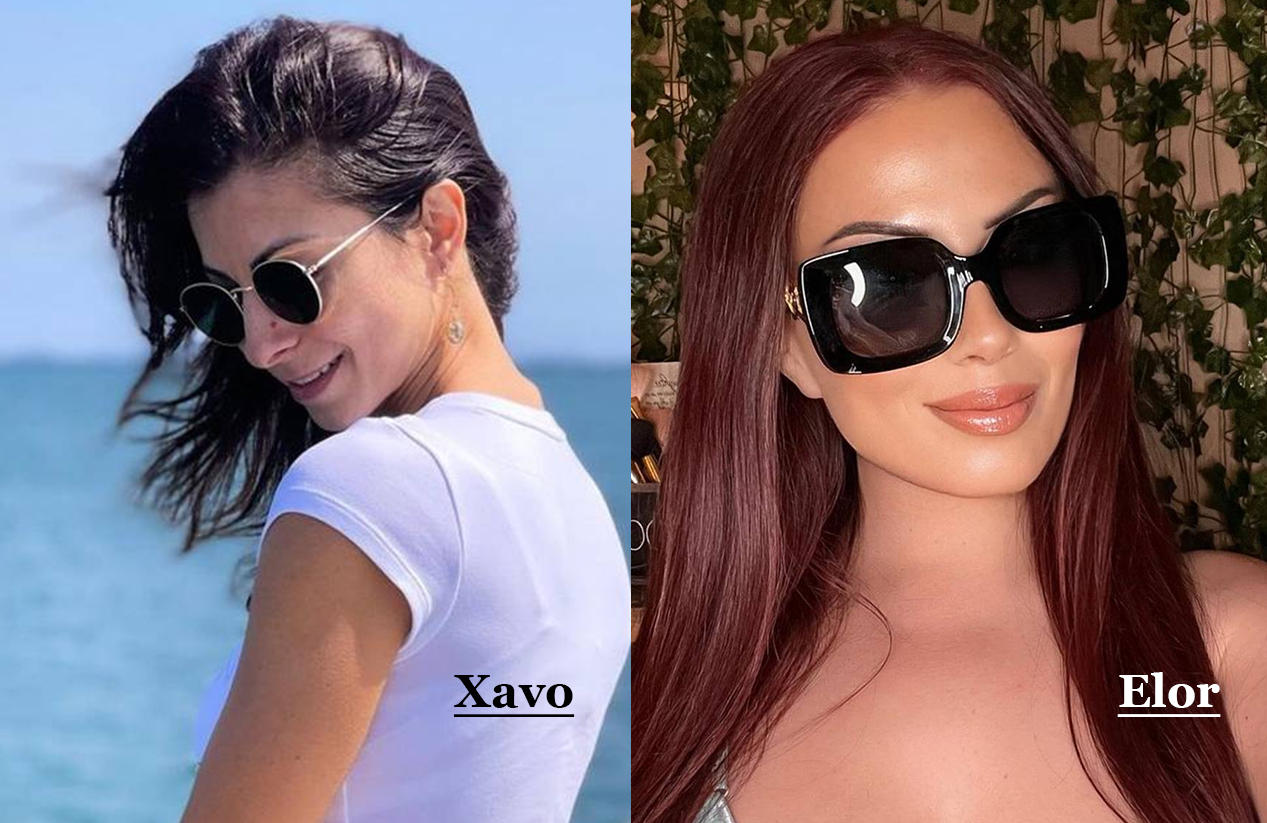
While oval sunglasses and square sunglasses create vastly different visual effects, both can look incredibly flattering when the shape, exact size, and natural face balance work together in harmony. Oval frames will always soften stronger lines, while square frames brilliantly add crisp definition to softer features. Always compare the frame width, lens height, bridge fit, and your typical daily style before committing to a pair. Explore high-quality sunglasses in various shapes and bold colors that genuinely match your unique face, wardrobe, and outdoor routine.
FAQs
Q1. Are Oval Sunglasses Good for Square Faces?
Yes, oval sunglasses can be an exceptionally good match for square faces because their smoothly rounded edges help soften strong jawlines and straighter vertical facial lines. Choosing a medium or slightly oversized oval frame creates a beautifully balanced look without feeling too delicate or small against a strong bone structure.
Q2. Do Square Sunglasses Suit Round Faces?
Absolutely. Square sunglasses are generally considered the best fit for round faces because their rigid, angular shape immediately adds necessary definition. A frame with distinct, sharp corners makes a round face look much more structured and contoured. For a slightly softer result, simply choose square sunglasses with subtly rounded edges.
Q3. Are Oval Sunglasses Better Than Square Sunglasses?
No, oval sunglasses are not automatically better than square sunglasses; they simply serve different visual purposes. Oval frames are explicitly designed to soften the face, while square frames are meant to add rigid structure. The "better" choice depends entirely on your unique face shape, preferred frame size, and the personal fashion style you wish to project.
Q4. What Should I Check Before Buying Women's Sunglasses Online?
Before purchasing, you should always check the exact frame width, lens height, bridge fit, chosen lens color, and verify the shape matches your facial structure. For women's sunglasses, overall style cohesion also heavily matters because the frame should compliment your standard wardrobe, frequent hairstyles, and daily makeup. Utilizing product photos, virtual try-ons, and detailed size specifications will help you confidently compare different options.